- -3,00 €
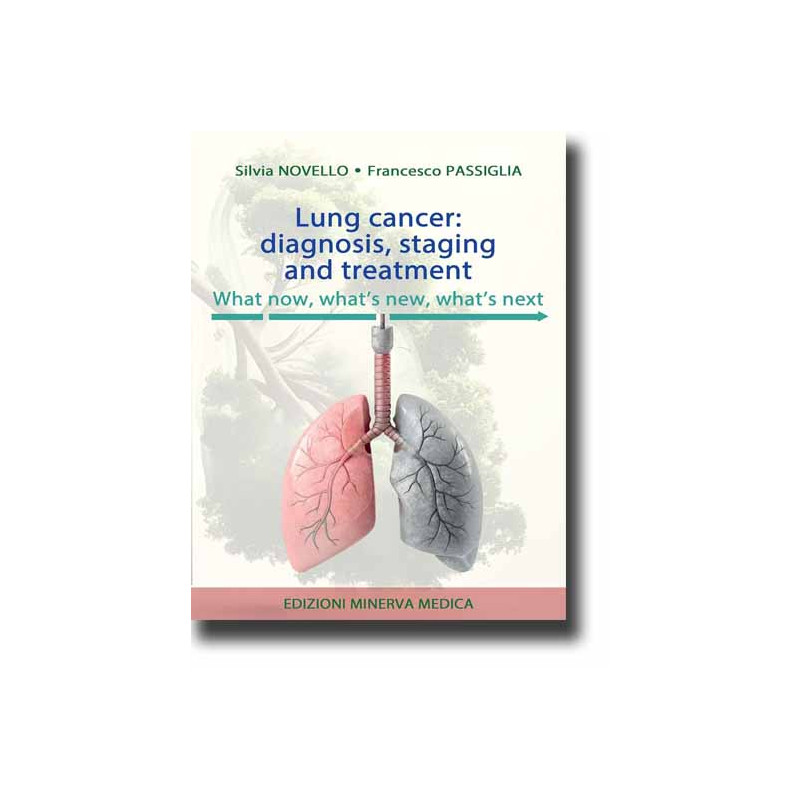





Currently, lung cancer is the most prevalent cancer and the leading cause of cancer-related mortality worldwide. Efforts to devise the best screening strategy for lung cancer has been an area of research for past decades. Several large scale clinical trials involving radiograph alone or radiograph combined with sputum cytology were studied, but it failed to show any significant mortality benefits in patients with a high risk of lung cancer. The use of low-dose computed tomography screening to detect the malignancy at earlier stages has been proposed as a promising avenue to reduce its mortality on the basis of at least two large randomized trials. In December 2022, the Council of the EU released a revised recommendation on cancer screening as part of Europe's Beating Cancer Plan, proposing to expand population-based screening to include cancer sites beyond breast, colorectal and cervical, based on further research, including lung cancer. Two years ago the RISP program was launched by the Minister of Health in 18 Italian centers as a pilot project, hopefully pending its implementation in clinical practice. Lung cancer diagnosis has significantly evolved from relying on late-stage chest X-rays to advanced, precise techniques like low dose CT scans, endobronchial ultrasound, robotic bronchoscopy for precise biopsies of small, deep nodules, alongside liquid biopsies. Diagnosis now often includes Next-Generation Sequencing to identify oncogenic drivers for tailored, targeted treatments and, at the same time, to better select those patients best candidates to immunotherapy. Staging revisions by the International Association for the Study of Lung Cancer is bringing us towards the tenth edition, further improving the differentiating and prognostic capacity of the system. The treatment of NSCLC varies based on staging, histology, and genetic and immunotherapy biomarker testing. Regarding local treatments techniques like Stereotactic Body Radiation Therapy and Volumetric Modulated Arc Therapy allow for more precise, tumor-specific targeting, reducing damage to surrounding. And thoracic surgery for lung cancer has evolved too from radical, high-mortality open pneumonectomies in the 1930s to minimally invasive techniques like VATS and robotic-assisted surgery. This evolution allows tissue preservation (sublobar resections) for early-stage cancer while reducing recovery times and improving precision, shifting standard care from large thoracotomies to small incisions. The use of Al to analyze imaging data for personalized risk stratification, will allow for more precise diagnosis and treatment planning. Thus, major changes have completely revolutionized the approach to this disease, leading to significant improvements in the quality and quantity of life for patients. All of this would not have happened without extensive networking and research, but much remains to be done, starting with a widespread and personalized primary prevention campaign.
Scheda tecnica
La terza edizione di Lopez Oncologia Medica Pratica ha tenuto presente i grandi cambiamenti verificatisi nell’interpretazione delle basi molecolari del cancro, ampliando notevolmente la parte relativa alla biologia dei tumori, ma selezionando essenzialmente quelle informazioni che hanno implicazioni cliniche e sono indispensabili per l’oncologo al fine di razionalizzare i processi decisionali.
Disponibilità in 6/10 giorni
Global experts, in conjunction with the International Association for the Study of Lung Cancer, bring you up to date with today’s best approaches to lung cancer diagnosis, treatment, and follow-up. IASLC Thoracic Oncology, 2nd Edition, keeps you abreast of the entire scope of this fast-changing field, from epidemiology to diagnosis to treatment to advocacy. Written in a straightforward, practical style for the busy clinician, this comprehensive, multidisciplinary title is a must-have for anyone involved in the care of patients with lung cancer and other thoracic malignancies.
Il testo è indirizzato alla formazione del tecnico di radiologia, operante in radioterapia, da inserire nei percorsi di formazione universitaria. Il testo è anche un valido supporto per i medici durante il percorso di specializzazione in radioterapia, a completamento di una più ampia formazione
A comprehensive, multidisciplinary resource for the entire radiation oncology team, Gunderson & Tepper's Clinical Radiation Oncology, 5th Edition, thoroughly covers all aspects of this complex and dynamic field. Concise, templated chapters cover the basic biology of oncologic disease processes as well as updated treatment algorithms, the latest clinical guidelines, and state-of-the-art techniques and modalities. More than 1,000 images-detailed anatomy drawings, radiographic images, and more-provide outstanding visual support for every area of the text.